



alduwdahia
Price:السعر الأصلي هو: $2,200.$2,000السعر الحالي هو: $2,000.
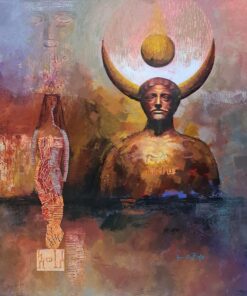
قصة اللوحة مستوحاة من الفلكلور الشعبي اليمني.
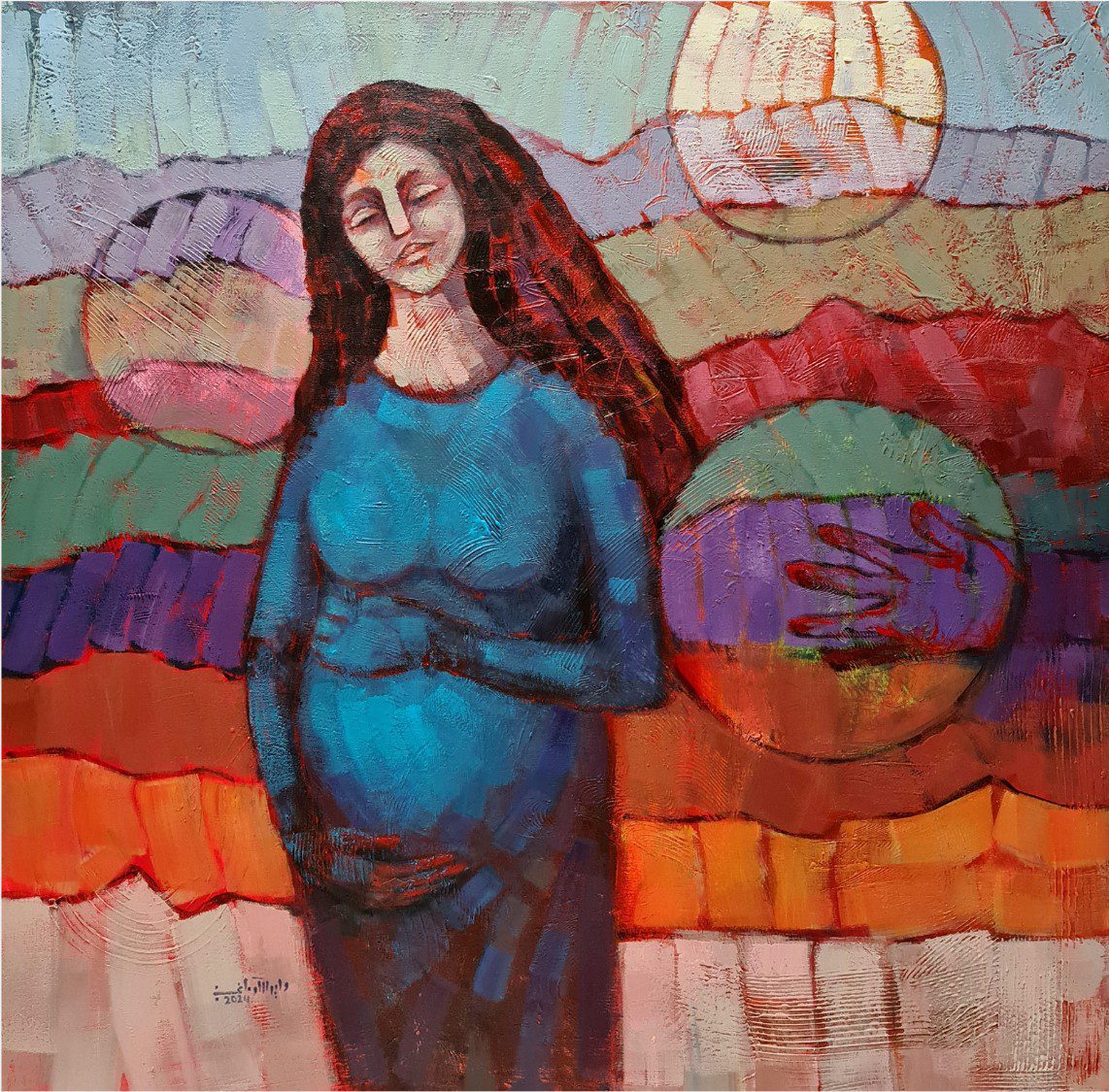
The work explores the tragic side of a true story from Yemeni folklore, known as "Dawdhiya," after the woman who is the protagonist of the story. The story recounts a social tragedy that resembles organized crime, in which society led a campaign against two lovers whose parents refused to marry them for financial reasons and class differences. As a result, they decided to enter into an illicit relationship, much to the chagrin of the population. Instead of hiding them, they were subjected to tazir, roaming the villages and valleys with drums, beatings and stoning. Surprisingly, the story is associated with the woman, while the man is forgotten in the context of these events.
The work raises important questions: Is it better to hide or to expose? Were the parents right or wrong? Is sin associated with women but not men?
The work will present the tragic side of a true story from Yemeni folklore, known as “Al-Dawdahiya,” named after the woman who is the story’s heroine. The story narrates a social tragedy resembling organized crime, as society led a campaign against two lovers whose parents refused to marry them for financial reasons and class differences. As a result, they decided to enter into an illicit relationship, which provoked the anger of the population. Instead of being covered up, they were subjected to punishment, paraded through villages and valleys accompanied by drums, beatings, and stoning. Surprisingly, the story is linked to the woman, while the man is forgotten in the context of these events.
The work raises important questions: Is concealment more important than scandal? Were the parents right or wrong? Is sin associated with women, not men?
| Color |
|---|
Only logged in customers who have purchased this product may leave a review.
General Inquiries
There are no inquiries yet.
Related products

Abstract painting
Abstract painting


Abstract painting


Abstract painting
Abstract painting

Unclassified

Abstract painting

Abstract painting
المراجعات
There are no reviews yet.